What Happens to a House When the Owner Dies in Florida?
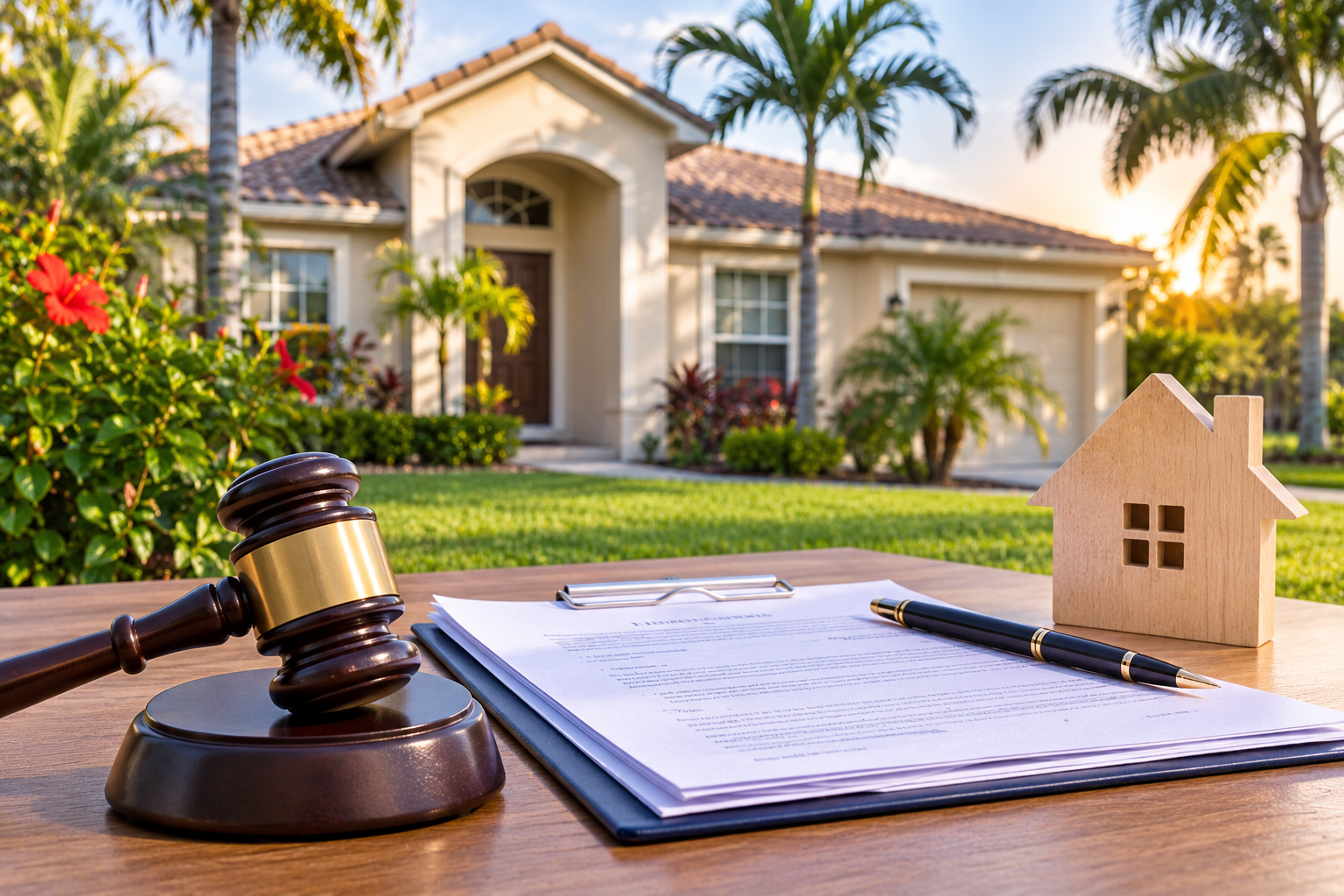
When a Florida property owner dies, the house does not automatically become available for family members to sell, divide, or transfer. What happens next depends on how the property was titled, whether it qualified as protected homestead, whether the owner left a valid estate plan, and who survives the owner.
In some cases, the property may pass outside probate. In others, probate administration may be needed before ownership can be clarified or a sale completed.
For families in Fort Lauderdale and throughout Florida, understanding what happens to a house when the owner dies in Florida can prevent rushed decisions, title problems, and disagreements among beneficiaries.
Start by Checking How the Property Is Titled
The deed is often the first place to begin.
Ownership structure can significantly affect what happens after death. A property may have been owned:
- Solely by the deceased owner
- Jointly with another person
- With rights of survivorship
- As tenancy by the entireties between spouses
- Through a trust
- Under an enhanced life estate, or Lady Bird, deed
If the deed contains a valid survivorship arrangement, the surviving owner may receive the deceased owner's interest automatically rather than through ordinary probate administration.
If the deceased person owned the property individually, additional analysis may be necessary.
The title should therefore be reviewed before anyone assumes the will alone determines who receives the house.
Does the Will Control Who Gets the House?
Sometimes—but not always.
A Last Will and Testament can direct how probate property should be distributed. However, Florida real estate may also be affected by title, survivorship rights, trusts, and homestead law.
This is especially important when the property was the deceased owner's Florida homestead.
Florida law restricts how homestead can be devised when the owner is survived by a spouse or minor child. In general, protected homestead cannot be devised away from a surviving spouse or minor child, with a limited exception allowing a devise to the spouse when there are no minor children.
That means language in a will cannot always override Florida's homestead protections.
Florida Homestead Can Change the Result
Florida homestead law is one of the most important issues in probate real estate.
If protected homestead was not validly devised, Florida law determines how it descends. When the deceased owner is survived by both a spouse and descendants, the surviving spouse may receive a life estate while the descendants receive the remainder interest. Florida law also allows the surviving spouse, under qualifying circumstances, to elect an undivided one-half interest instead.
Because homestead rules depend on family circumstances, families should avoid assuming that a house can simply be divided according to the will.
Questions that may matter include:
- Was the property the owner's permanent Florida residence?
- Was the owner married?
- Did the owner have minor children?
- How was the deed written?
- Did the spouse waive any homestead rights?
- Was the property held in a trust?
The answers can significantly change the legal outcome.
When Does Probate Become Necessary?
Probate may be necessary when property remains titled solely in the deceased owner's name and no valid non-probate transfer mechanism applies.
During probate, the court may determine who has authority to administer the estate and how estate property should be handled.
The Personal Representative may need to address issues such as:
- Confirming title
- Protecting the property
- Maintaining insurance
- Paying appropriate property expenses
- Resolving creditor or estate issues
- Determining whether the property should be transferred or sold
Florida law generally gives a Personal Representative authority over estate property for administration purposes, although protected homestead is treated differently from other estate assets.
Can a House Be Sold During Florida Probate?
Yes, in many cases, but the proper procedure depends on the estate.
A Personal Representative may have authority to sell real property if the will grants an appropriate power of sale. In other situations, the court may need to authorize or confirm the sale before title can pass. Florida Statute § 733.613 outlines circumstances in which a Personal Representative may sell estate real property.
Before a sale moves forward, important questions can include:
- Does the Personal Representative have authority to sell?
- Is the property protected homestead?
- Do beneficiaries have an ownership interest?
- Is court approval required?
- Are there mortgages or liens?
- Is title clear enough for closing?
A typical real estate transaction can become more complicated when probate is involved, so these issues should be addressed before entering into a contract.
What If the Family Wants to Keep the House?
A sale is not always required.
Beneficiaries may want to keep a family home, rental property, or other inherited real estate. Whether that is practical depends on who receives the property and whether the estate has enough other assets to satisfy administration obligations.
If multiple beneficiaries inherit the same property, they may become co-owners.
That raises practical questions:
- Who will live in the property?
- Who pays taxes and insurance?
- Who pays for repairs?
- Can the property be rented?
- What happens if one person wants to sell?
- Can one beneficiary buy out the others?
Addressing these questions early can reduce future conflict.
An inherited house can have emotional significance, but decisions should also consider the legal and financial responsibilities of ownership.
What If the Owner Had a Lady Bird Deed?
A properly structured Lady Bird deed may allow the property to pass directly to the designated remainder beneficiaries after the owner's death while allowing the owner to retain significant lifetime control.
If the deed was valid and effective at death, probate may not be necessary simply to transfer that particular property.
However, the deed still needs to be reviewed.
The legal description, beneficiary designations, homestead considerations, and any later deeds or changes can affect the result.
A Lady Bird deed also addresses only the property described in the deed. It does not determine what happens to the deceased person's other assets.
What Should Families Do Immediately After the Owner Dies?
Avoid rushing to sell, transfer, or distribute the property before confirming ownership and legal authority.
A useful first step is gathering:
- The current recorded deed
- The owner's will or trust
- Death certificate
- Mortgage information
- Property tax records
- Homeowners or condominium association documents
- Insurance information
- Any Lady Bird deed or other transfer documents
The property should also remain appropriately protected and insured during the transition.
If probate is required, the Personal Representative and attorney can determine the next legal steps.
Frequently Asked Questions
Does a house automatically go to the children when a parent dies in Florida?
No. The result depends on the deed, estate plan, surviving spouse, homestead status, and other factors. Children may inherit in some situations, but they should not assume ownership without reviewing the legal documents.
Can family members sell a deceased person's house immediately?
Usually not simply because they are heirs. The person signing a sale contract must have legal authority. Probate, title, homestead, or ownership issues may need to be resolved first.
What happens if the owner dies without a will?
Florida intestacy laws determine who inherits probate property when there is no valid will. Homestead rules may also affect how a residence passes.
Does protected homestead become part of the probate estate?
Florida law treats protected homestead differently from ordinary probate assets. Its treatment depends on the circumstances, including family relationships and whether the property was validly devised.
Can inherited Florida property be kept instead of sold?
Yes, depending on the estate and ownership arrangement. Beneficiaries should consider title, estate obligations, maintenance responsibilities, and whether multiple owners can agree on how the property will be managed.
Get Clarity Before Making Decisions About Inherited Property
What happens to a house after an owner dies in Florida depends on much more than who has the keys.
Title, homestead law, probate requirements, estate planning documents, and surviving family members can all determine whether the property transfers directly, must be administered through probate, or can be sold.
With more than 25 years of legal experience, Lisa K. Crawford, Esq., PLLC helps Personal Representatives, heirs, beneficiaries, and families in Fort Lauderdale and throughout Florida navigate probate real estate and inherited property matters.
If a loved one has died leaving Florida real estate, call (954) 864-8950 to schedule a consultation before making major decisions about the property.
Contact Lisa K. Crawford, Esq., PLLC to discuss inherited Florida property, probate requirements, and the appropriate next steps for transferring or selling estate real estate.
Build it. Protect it. Transfer It.
Recent Posts